Why Selecting an ISO/IPC Supplier is Important
Selecting a supplier that’s right for your business is complicated. Though price matters, there’s more to it than just picking through quotes and price lists and sorting from lowest to highest. Skilled buyers know the importance of weighing all factors involved, including supplier quality and reliability. But, what specifically is measured, and how?
The answer to that, of course, is different for everybody, but a great place to start is by clearly defining the terms, the definitions, and the standards by which all potential suppliers will be evaluated. Knowing that you’ve measured the same qualities across all potential suppliers ensures that you are able to decide based on the common factors most important to you. Measurement to established standards means you won’t have to come up with your own terms and definitions. Fortunately, wire harness and cable assembly manufacturers can turn to widely accepted and recognized standards that have been in place for decades.
Standards have been with us for over two hundred years. Since the advent of the industrial revolution, industrial, commercial, and technical standards have become increasingly important. For example, the development of standardized screw threads by Henry Maudslay in 1800 led to the large scale use of interchangeable nuts and bolts. One hundred years later, the Engineering Standards Committee in London became the first international standards body. In 1931 they became the British Standards Institution and BSI was instrumental in developing ISO.
The best contract manufacturers, including those making wire harnesses and cable assemblies such as RESCO, willingly employ and are audited to exacting standards developed by ISO and IPC.

ISO is the English version acronym for the Swiss-based International Organization of Standards. They have developed standards and guidelines for almost everything and are especially well known for their widely used and recognized ISO:9000 Quality Management Standard. According to ISO, over one million companies and organizations worldwide employ this standard and are certified to it.
IPC is an international trade organization made up of participants in the electronics industry. Founded originally in 1957 as the Institute of Printed Circuits, it focuses on design, PCB manufacturing, and electronics assembly. IPC/WHMA-A-620 is the most well-recognized and regarded process, materials and inspection standard for the cable and wire harness industry. The IPC organization continues to focus on the development of standards and best practices, the dissemination of knowledge and information to the electronics industry, and the identification of current problems and challenges facing the industry.
Once you’ve narrowed your list to include only suppliers trained and certified to these rigorous standards, you’ll be able compare apples-to-apples. Suppliers certified to these standards have systems in place designed to measure the quality and performance metrics most important to your organization’s future success. Certification to these standards represents a strong commitment to continuous improvement.
Certified suppliers are able to employ language, terms, and definitions common across the industry, so the chances for miscommunication are greatly reduced. ISO standards often lead to operational efficiencies that can lead to lower costs and higher quality. Better quality, lower costs, improved communication—these together are the keys to successful supplier selection.
About the Author

Erik Olson is Operations Manager for RESCO Electronics, a Baltimore based manufacturer of electronic assemblies and value-added reseller of auto-ID equipment to Original Equipment Manufacturers. Erik has worked at RESCO in a variety of locations and roles since joining RESCO in 1993 and has extensive experience in Operations Management, Inventory Management, and Sales.
Erik graduated from St. Mary’s College of Maryland with a Bachelor of Arts in Economics. He resides in Sykesville, MD with his wife and two daughters.
You May Like
When Your Design Should use a Scan Engine
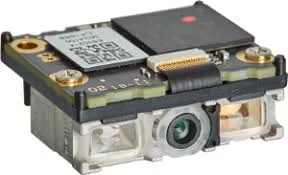
In June of 2015 the race horse American Pharaoh accomplished what no thoroughbreds horse had accomplished since 1978 by winning the Triple Crown. Engineers today are striving to hit a different triple crown with every design….Smaller Footprint, more capabilities and lower overall system cost. When designing an embedded barcode solution, one option
Choosing a Contract Manufacturer
When an OEM partners with a supplier there are many levels and facets to the partnership. A good partnership goes beyond just supplying components or assemblies to a purchase order. When an OEM has a true partnership with a supplier they can rely on that supplier to provide them engineering

Should You Care About Your Supplier's Core Ideology?
TIn many respects a company is like a person. Just like a person, a company (or any other organization for that matter) is born, grows, ages, and eventually dies. Although some companies, the longest-lived companies, find ways to re-invent themselves and extend their lives. Some manage to re-invent themselves time